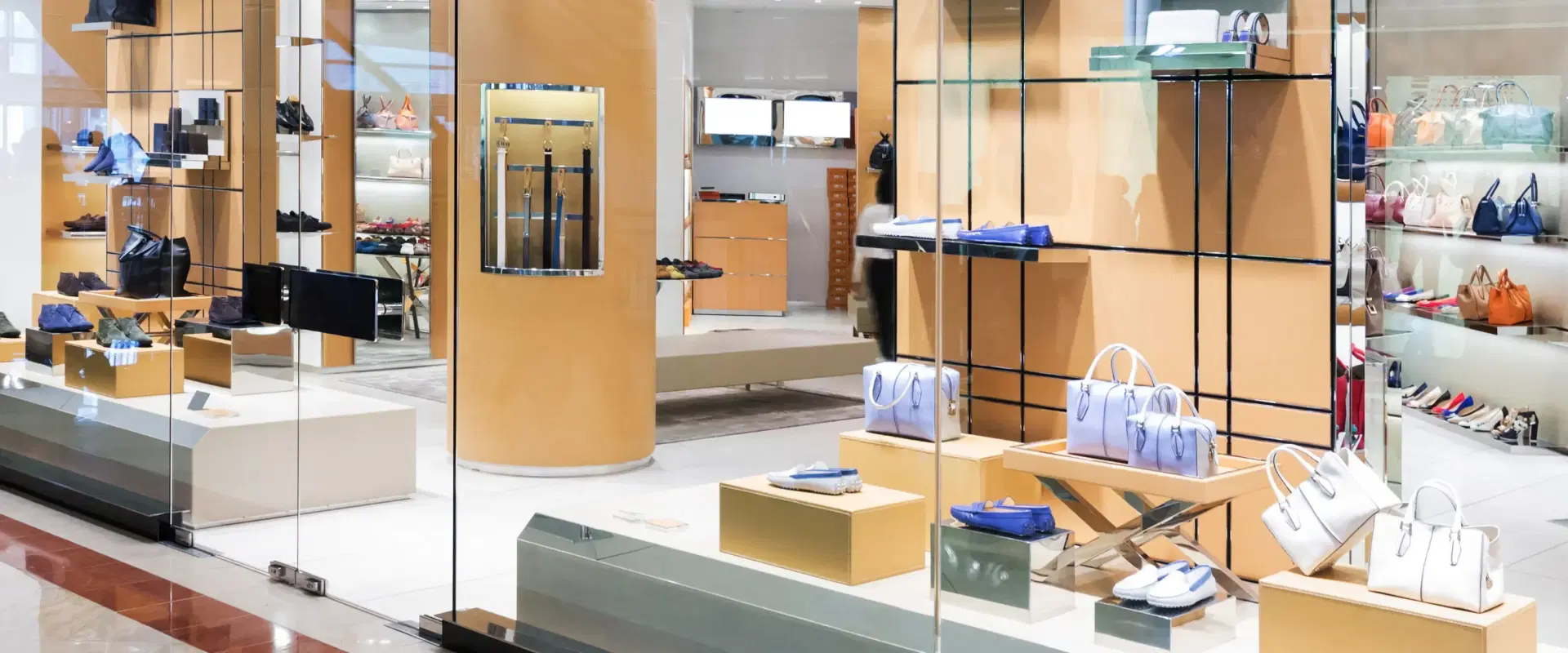
The New Landscape of Physical Retail in America
It is a common misconception globally that e-commerce has destroyed physical retail in the United States. In reality, the US retail real estate market is highly resilient and evolving rapidly.
Retail commercial real estate includes properties used for consumer-facing businesses, such as neighborhood strip malls, standalone flagship stores, and massive regional shopping centers.
Today, the most successful retail investments are shifting toward experiences and essential services.
Medical Office Buildings (MOBs), which are driven by the needs of an aging US population, are highly stable retail-like assets.
Additionally, the US real estate forecast points to a massive surge in "mixed-use developments". These are dynamic, pedestrian-oriented environments that combine ground-floor retail shops with residential apartments and office spaces above them.
Mixed-use properties focus heavily on "place making", creating vibrant areas where dining and shopping are focused on the community experience rather than just a quick transaction. These integrated designs create a built-in customer base for the retail shops, generating powerful economic synergy.
The Power of Triple Net Leases
Best US real estate investment 2026 advantage for Indian investors is US retail real estate financial structure. Retail properties typically utilize long-term commercial leases that run between 5 and 15 years. Most commonly, these are structured as Triple Net (NNN) leases.
In a NNN lease, the retail tenant, whether it is a coffee shop, a pharmacy, or a major supermarket, pays not only their base rent but also assumes the financial responsibility for the building's property taxes, building insurance, and ongoing maintenance.
Because the tenant handles these operating expenses, the investor enjoys a highly predictable, passive income stream. Furthermore, these leases generally include annual rent escalations tied to inflation, acting as a powerful hedge that protects your wealth over time.
Risks and the Importance of Place Making
Despite the financial benefits, retail commercial real estate carries distinct risks. The value of a retail property is entirely dependent on its location, local demographics, and consumer traffic.
Furthermore, retail spaces are subject to "co-tenancy" risks; if a major anchor tenant (like a grocery store) leaves a shopping center, the surrounding smaller shops may lose their customer foot traffic and struggle to survive. Creating a successful retail or mixed-use space requires an intricate understanding of market demand, site design, and tenant compatibility.
How Raveum Minimizes Retail Investment Risks
For an investor located in India, evaluating the foot traffic patterns, demographic shifts, and broader US real estate forecast for a shopping center in Texas or Florida is virtually impossible. Raveum solves this by leveraging extensive market knowledge, US real estate forecast, and expert due diligence on your behalf.
Raveum's team of experts deeply analyzes the demographic trends, anchor tenant creditworthiness, lease structures, and competitive landscape before any retail or mixed-use asset is offered on the platform. By partnering exclusively with highly vetted, US-based real estate sponsors who specialize in managing complex retail and mixed-use environments, Raveum mitigates the risks of tenant turnover and location dependency.
Through Raveum, Indian investors can confidently access fractional shares of premium, income-generating US retail centers. Your investment is protected by transparent US regulatory frameworks, allowing you to bypass the complexities of NNN lease management while earning secure, passive income in dollars from the thriving American consumer market.