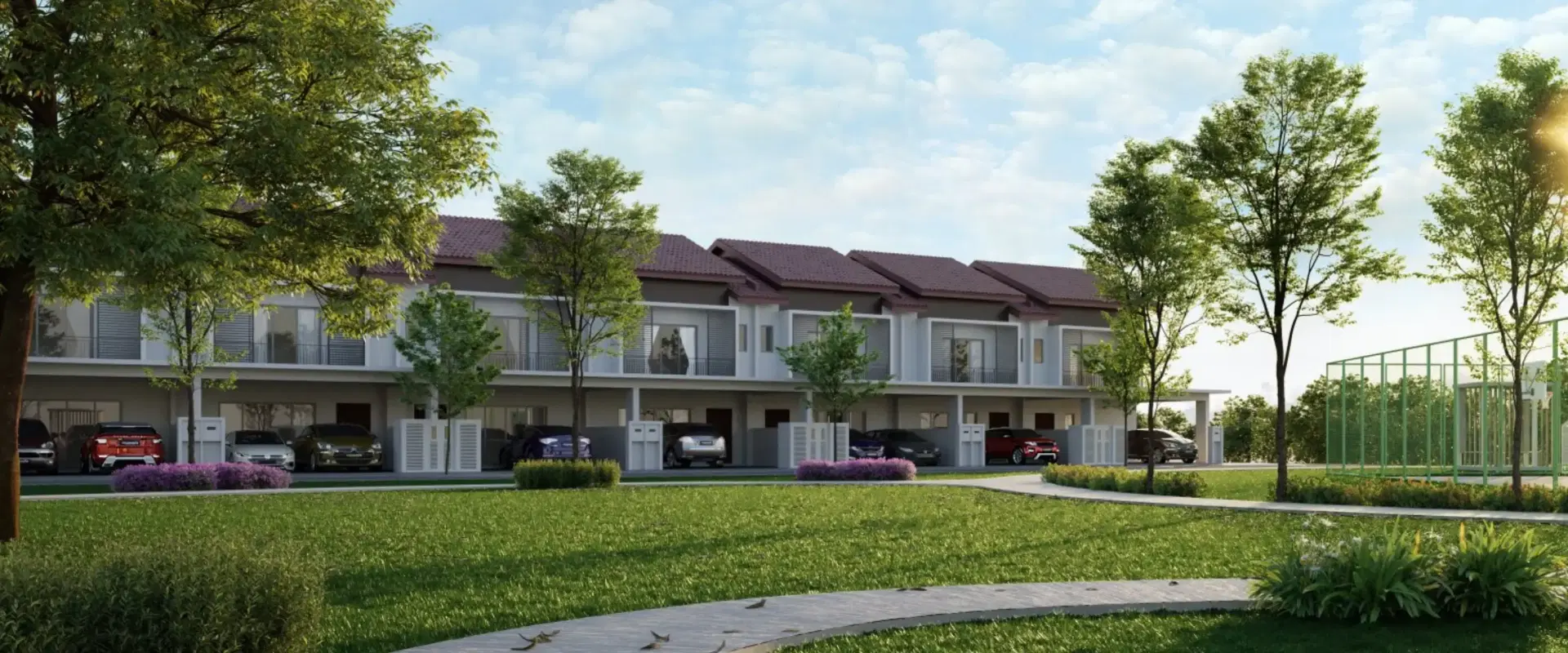
Understanding Multifamily Properties in America
When researching US real estate from India, you will frequently encounter the term "multifamily." In the US multifamily real estate refers specifically to residential buildings that contain five or more living units. Because these buildings cross the five-unit threshold, they are legally classified and financed as commercial real estate, not residential housing.
This sector encompasses a wide variety of properties, ranging from small five-unit apartment complexes to massive high-rise towers, purpose-built student housing near major universities, and newly emerging communities where single-family homes are built specifically to be rented out. Multifamily real estate consistently attracts the broadest range of institutional and private buyers because it is deeply tied to a fundamental human need: shelter.
The Driving Forces Behind US Rental Demand
Multifamily real estate is currently one of the most resilient segments of the US market. For Indian investors, the demand dynamics in the US are highly favorable.
The United States is facing ongoing homeownership affordability challenges, which means that an increasing number of American households are staying in the rental market for much longer periods of time.
Additionally, massive demographic shifts are fueling specific regional markets. There is a heavy migration of the population toward the "Sun Belt" states such as Florida, Texas, and Arizona, as people relocate from higher-cost states to areas with better weather and business-friendly environments.
This continuous influx of residents is driving high demand for apartment units, keeping rental income steady and vacancy rates low. Student housing in major university towns, such as Austin, Texas or Gainesville, Florida, also shows incredibly consistent demand and low vacancy regardless of broader economic cycles.
The Operational Reality of Owning Apartments
While the financial returns of multifamily properties are highly attractive, the operational reality of managing them can be heavy. Residential tenants are individuals and families with personal needs, and managing a building with dozens or hundreds of units requires intensive daily oversight. Evictions in the US are heavily regulated by state landlord-tenant laws, which can be slow and legally complex to navigate.
Furthermore, commercial loans for large apartment buildings require strict underwriting based on the property's Net Operating Income (NOI) and substantial down payments of 25% to 35%. For an overseas investor based in India, direct US multifamily real estate investment in a 50-unit apartment building presents significant logistical and capital barriers.
Securing Your Multifamily Investment with Raveum
Raveum perfectly bridges the gap between Indian capital and lucrative US multifamily assets. By providing expert knowledge, profound market insights, and institutional due diligence, Raveum removes the operational headaches and risks of direct overseas property management.
Through Raveum, you do not need to worry about fixing leaky roofs, managing tenant disputes, or navigating complex US commercial mortgages.
Raveum partners with highly experienced operators who have proven track records in the multifamily space. For example, Raveum showcases sponsors like Colony Hills Capital, who have successfully managed major multifamily portfolios such as the 270-unit Wynthrope Forest, the 160-unit Canterbury Apartments, and the 284-unit Cameron Run Homes, all of which have demonstrated consistent institutional-grade valuation increases.
Indian investors can review clear financials, historical tenant data, and projected US rental property returns on the Raveum platform before committing as little as $1000. By pooling capital into fractional shares held in compliant US entities, Raveum gives Indian investors access to US multifamily real estate investment while experts handle the day-to-day operations