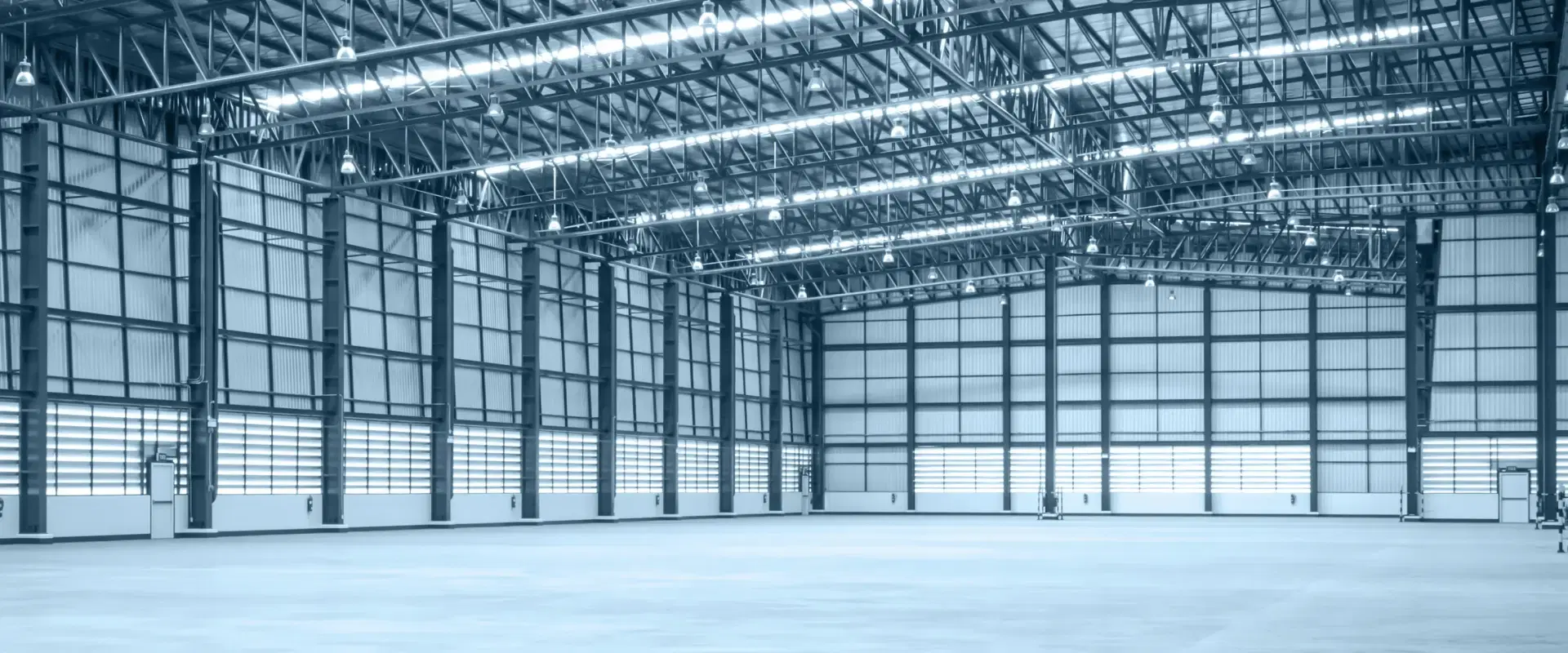
What Makes Up US Industrial Real Estate?
Industrial real estate is the physical backbone of modern American commerce and global supply chains. Comprising approximately 25 billion square feet of space across the country, it is the absolute largest commercial real estate category in the US by volume. While many international investors initially think of residential homes or office towers, industrial properties have emerged as one of the strongest-performing and most highly sought-after asset classes in the United States.
This sector is highly diverse and is broken down into several specialized property types. It includes massive bulk distribution warehouses that exceed 100,000 square feet, heavy manufacturing plants that assemble finished goods, light manufacturing facilities, refrigerated distribution centers for food supply, and specialized "flex" spaces that combine warehousing with office use.
The E-Commerce and Nearshoring Boom
The demand for industrial real estate within the US real estate market 2026 is being propelled by massive economic tailwinds. The most significant driver is the rise of e-commerce. Today's American consumers expect same-day and next-day delivery, which requires retail giants like Amazon and FedEx to maintain dense networks of "last-mile" fulfillment centers positioned very close to urban populations. This logistical shift has driven industrial vacancy rates to historic lows in major US metropolitan areas.
Another major trend is "nearshoring" and "onshoring." To avoid the risks of global supply chain disruptions and tariff uncertainties, many companies are actively bringing their manufacturing and storage operations back to North America. Because of these incredibly strong current fundamentals, industrial real estate is heavily favored by large institutional investors, pension funds, and sovereign wealth funds.
Technical Complexities of Industrial Assets
While highly profitable, industrial assets within commercial real estate USA are incredibly technical, and evaluating these properties requires specialized knowledge. A successful bulk warehouse, for example, must have specific physical characteristics to be useful to modern logistics companies. Ceiling heights must generally exceed 24 feet, with newer buildings pushing heights above 30 feet to allow for massive racking systems.
The floors must be constructed with specialized thickness (often six to eight inches) to withstand heavy load capacities (up to 4,000 pounds per square inch) and must be perfectly level to minimize vibration for forklifts. Furthermore, heavy distribution buildings require "cross-docks" (loading docks on two parallel walls) to allow cargo to flow rapidly from trucks on one side to trucks on the other. They also require deep truck courts and extensive trailer parking areas.
Leveraging Raveum for Risk-Free Industrial Investing
Understanding the specific requirements of clear ceiling heights, floor load capacities, and cross-dock ratios is incredibly daunting for an Indian investor looking to enter the US market. Raveum eliminates this barrier by providing the specialized knowledge, insights, and strict due diligence required to safely invest in the US industrial sector.
Raveum's institutional-grade asset screening evaluates the physical viability, structural integrity, and supply chain placement of every commercial real estate property before it is listed on the platform. Raveum strictly partners with vetted US real estate sponsors who specialize in operating advanced logistics and manufacturing facilities.
As an investor, you are presented with curated, data-backed commercial real estate opportunities featuring transparent financials and risk insights. By investing through Raveum's SEC-aligned structures, you can bypass the immense capital requirements needed to buy a 100,000-square-foot warehouse. Instead, you purchase fractional ownership, allowing you to capture stable, passive income passive income in dollars from America's booming e-commerce and logistics networks with absolute peace of mind.